Importing Scissor Lifts from China: Steps, Costs and Customs
· Three Points
Buying lifting equipment directly from a factory in China can save a significant share of the price compared with a local distributor, but only if the whole chain — specification, documents, shipping, customs and service — is planned from the start. This guide walks through the process step by step.
1. Define what you need
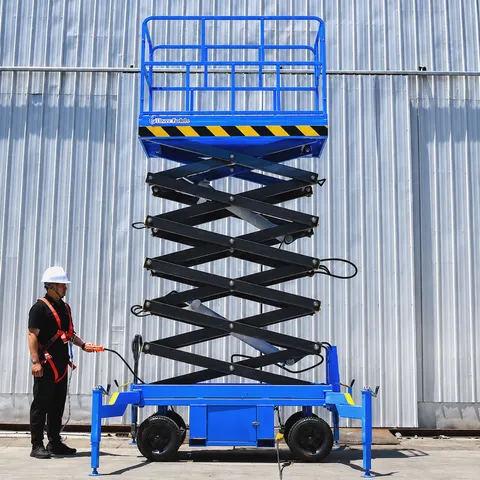
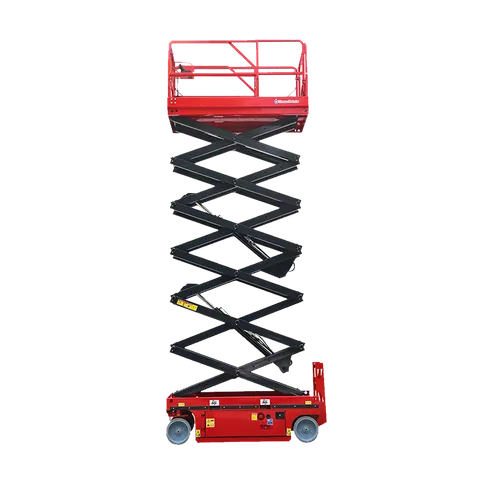
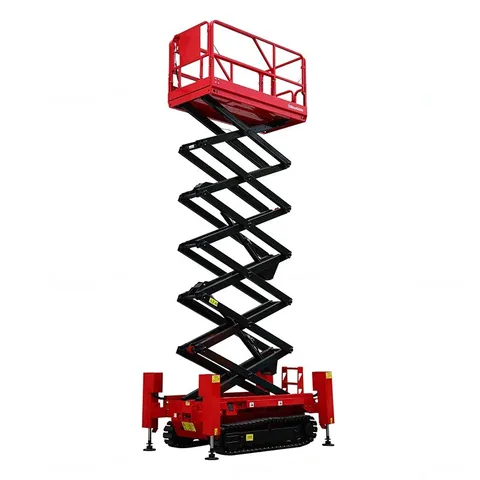
A precise specification avoids most problems later. Write down the working height, the total load on the platform (people, tools and materials), the platform size, how the machine will move (pushed, towed, self-propelled or on tracks), the ground it will work on, and your power supply: voltage, frequency and phase. Mention any options such as outriggers, an extending deck, solid tyres or remote control, and the quantity.
2. Request and compare quotations
Ask each supplier to quote the same specification and to state the Incoterm clearly. EXW and FOB prices exclude sea freight; CIF includes freight and insurance to your port; DAP delivers to your address but excludes import duties and VAT. A low FOB price can end up more expensive once freight, duties and local transport are added, so compare total landed cost.
With the quotation, request the declaration of conformity, the instructions for use, and photos or a video of the exact model. A manufacturer should be able to show the machine in its own workshop — a video call is a quick way to confirm you are dealing with the factory and not a trading company.
3. Order, payment and production
A common arrangement is a deposit with the order and the balance before shipment, against photos, test records and the bill of lading. Production time depends on the model and quantity; standard machines are often ready within a few weeks, while custom cargo lifts take longer because drawings are agreed first. Confirm the lead time and the packing method in writing.
4. Inspection before shipment
Before paying the balance, check the finished machines. You can ask for a video of the load and function tests, or appoint a third-party inspection company to visit the factory. Check the data plate, CE marking, serial numbers, options fitted, colour, and that the manuals are in the right language.
5. Shipping
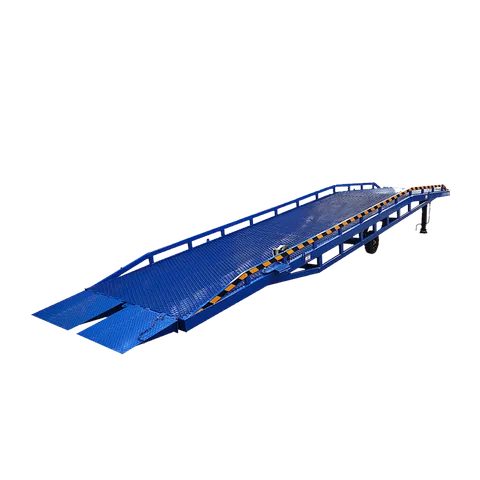
Most scissor lifts travel in standard 20 ft or 40 ft containers. Large towable models and long loading ramps may need a 40 ft high-cube container or a flat rack. Smaller orders can share a container (LCL), though full containers are usually safer for machinery. Transit time from Chinese ports to northern Europe is typically several weeks by sea; rail freight to Europe is an alternative for urgent orders.
6. Customs and VAT
On arrival, your customs broker classifies the goods under a tariff code and pays import VAT and any customs duty. The broker, not the supplier, makes the final classification, so send them the specification and photos in advance.
7. CE compliance and the EU importer
The importer named on the machine or its documents takes on legal duties in the EU, including checking the CE documentation. Read our guide to EN 280 and CE marking for the list of documents to request before you order.
8. After-sales service
Agree the warranty terms, the list of recommended spare parts and how technical support will work before you buy. Many buyers order a small kit of wear parts — filters, seals, control switches — with the first machine. Ask whether wiring diagrams, hydraulic schematics and parts lists are included, and whether remote support by video is available in your working hours.
Landed cost checklist
- Machine price and options, with the Incoterm stated
- Sea or rail freight and insurance
- Port handling and customs broker fees
- Customs duty
- Import VAT (usually recoverable for VAT-registered businesses)
- Inland transport, unloading and commissioning
- Recommended spare parts and operator training
Send us your specification and destination, and we will prepare a quotation with the Incoterm of your choice, packing details and the documents your broker and inspector need.