Where Scissor Lifts Are Used: Applications
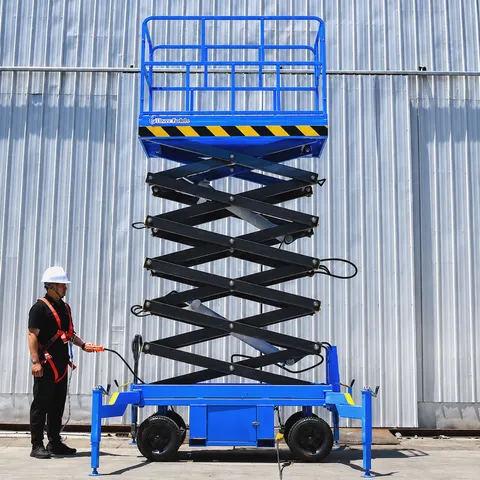
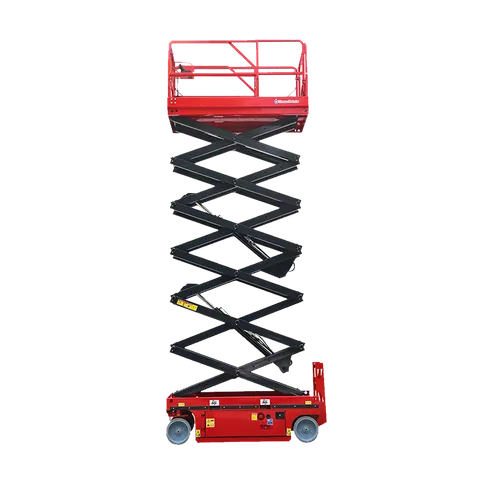
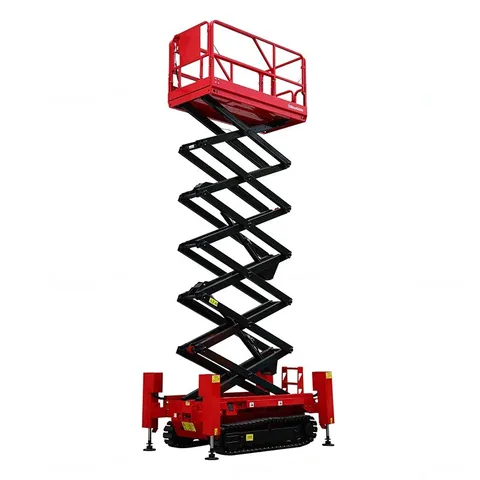
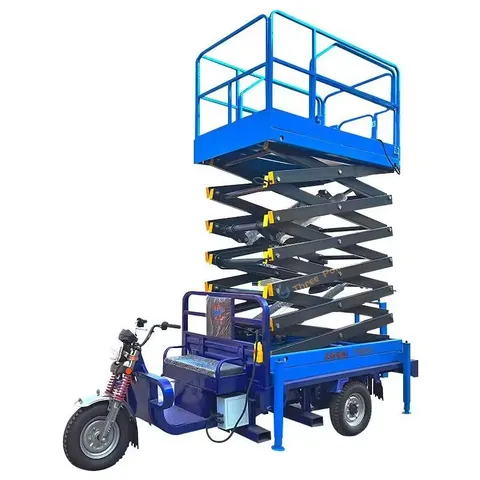
Factories and industry: maintaining workshop equipment, installing and servicing pipe racks, assembling and commissioning production lines, upkeep of steel structures and removing equipment from height. Fixed models lift materials on production lines, load and unload at pits, and take over from forklifts for heavy lifting at a fixed point. Warehousing and logistics: putting away and picking from high racking, servicing sprinkler pipes and ventilation, changing warehouse lighting, and lifting, loading and unloading goods — all making work at height more efficient. Construction and fit-out: ceilings, lighting and air-conditioning installation, curtain walls, painting and refurbishment. A scissor lift can replace scaffolding and saves the time spent putting it up and taking it down, which makes it well suited to refurbishing industrial and commercial buildings. Public buildings and property management: running and maintaining shopping centers, hotels, sports halls and exhibition venues; servicing street lights, CCTV and road signs, tree work, and maintaining public facilities at stations and airports. Tough outdoor sites: rough-terrain scissor lifts handle muddy, uneven ground on infrastructure projects, factory construction, outdoor repairs and other work at height in the open. Special uses: truck-mounted scissor lifts suit municipal inspections over long distances, while small mobile models work well indoors where noise and emissions matter — exhibition halls, hospitals and offices — as well as for stand building and installing or servicing billboards.